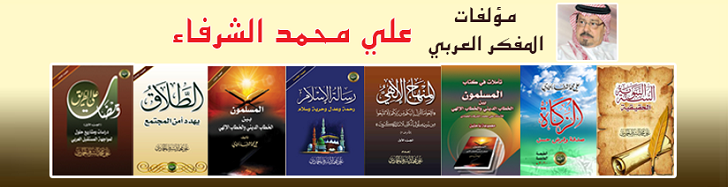
Egypt is at the heart of the regional scene. Issuance of edition No. 14 of Al-Arab International Magazine, with Al-Shorafa Al-Hammadi topped its editorial
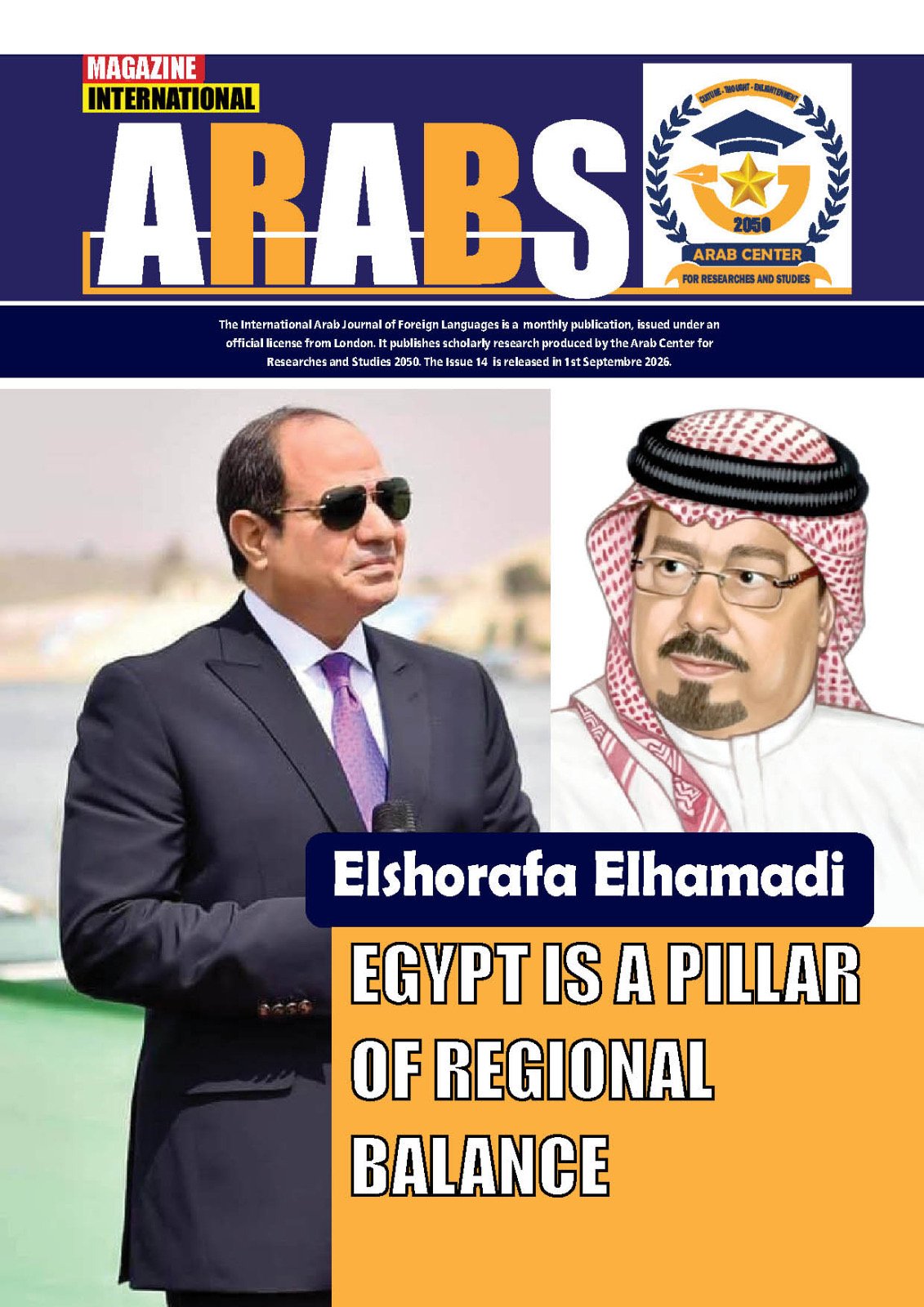
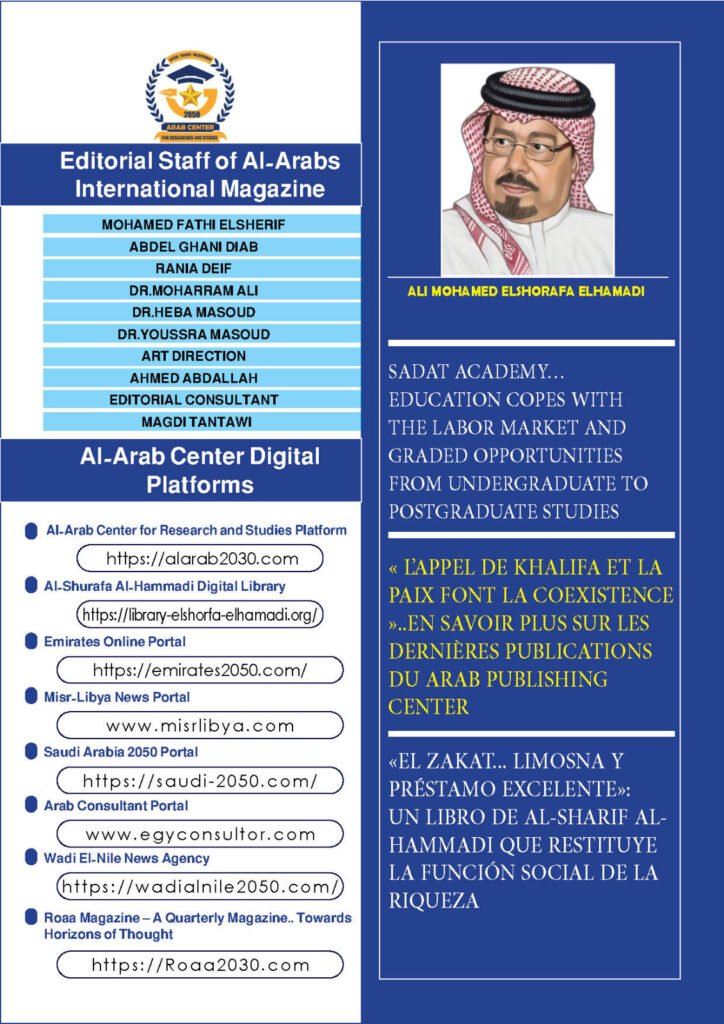
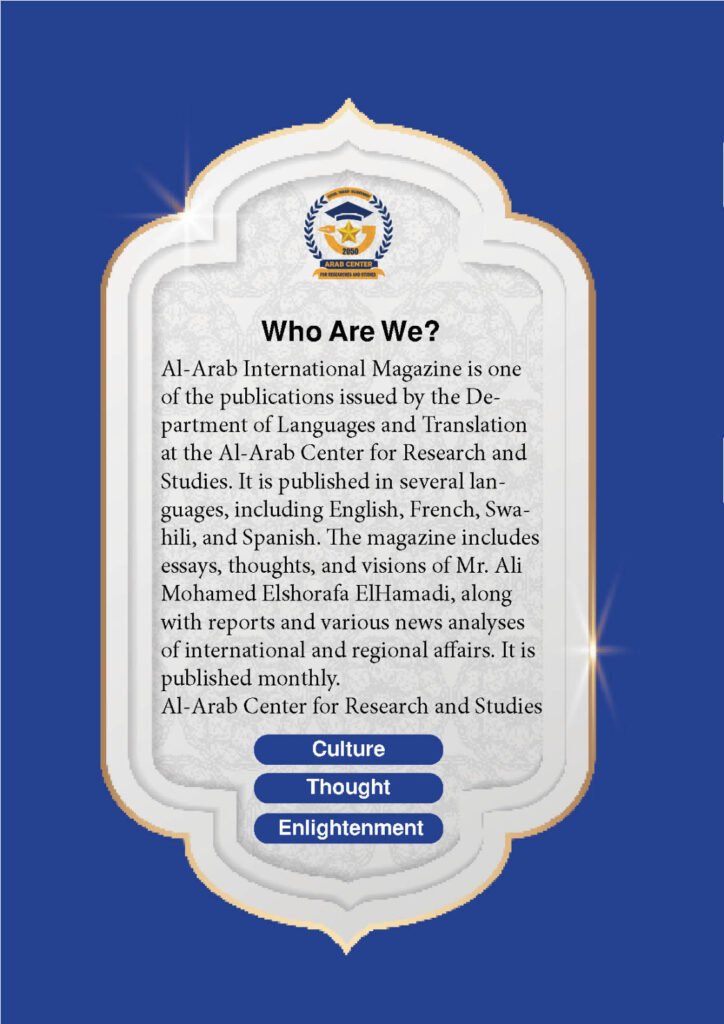
The fourteenth issue of the magazine “Al-Arab for Research and Studies” was issued in four languages (English – French – Swahili – Spanish) for September 2026, including a wide range of articles, studies and reports that follow political, intellectual, economic and social issues, and provide readings in several files that occupy the Arab region, from Egypt’s website and its regional role, to the future of education, energy and African cooperation, to issues of coexistence and awareness building.
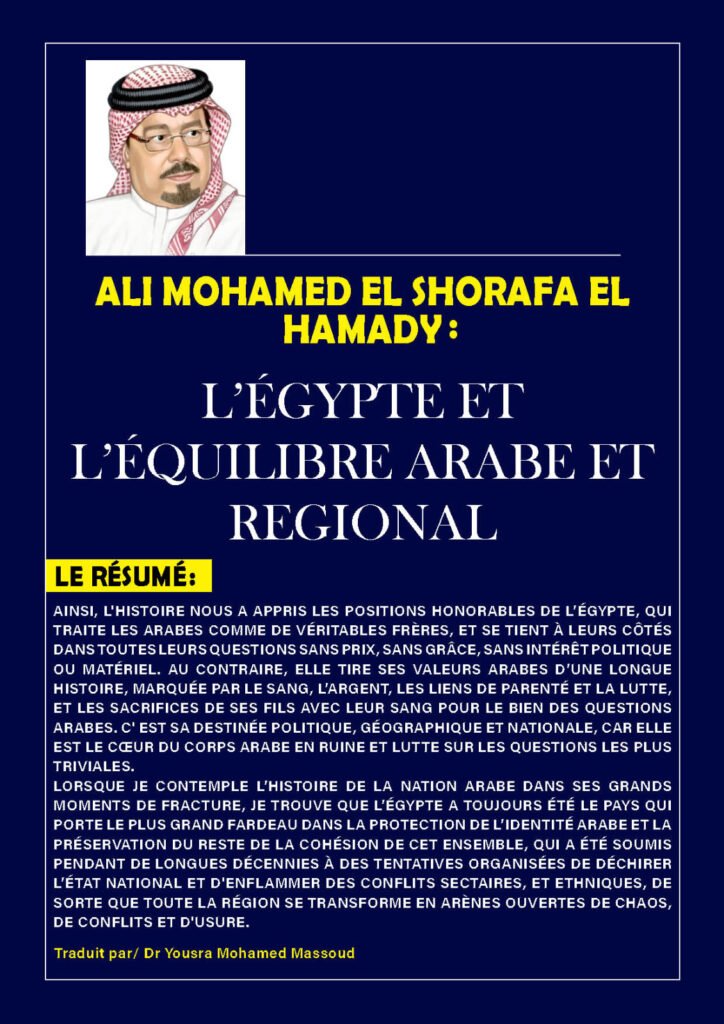
The issue is topped by the article by the Arab thinker Ali Mohamed Al-Shorafa Al-Hammadi, entitled “Egypt and the Arab and Regional Balance”, which provides a main entry point for reading Egypt’s position in its Arab surroundings. Al-Shorafa Al-Hammadi presents in his article a vision that considers that Egypt’s regional status is not only related to its demographic, geographical or military weight, but to its historical role in Arab issues, considering that the stability of the Egyptian state represents one of the elements of balance in the region, and that the crises and conflicts witnessed in the region confirm the importance of the national state and its institutions in the face of disintegration and instability.
The Egyptian file is prepared on the issue from a broader angle that goes beyond politics to development and human construction, as the number allocates space for the experience of the Sadat Academy for Administrative Sciences, and the expansion of programs and disciplines related to new transformations in the labor market.
The report reviews the Academy’s orientation towards the disciplines of artificial intelligence, data analysis, cybersecurity, software and e-marketing, along with management, economics, languages and translation, in an attempt to link university education with the skills needed by the labor market.
The report also depends on the participation of the Academy’s students in programming competitions and the qualification of two teams to the final of the Egyptian competition for programming, in addition to the Academy obtaining the international quality certificates ISO 9001:2015 and ISO 21001, reflecting the interest of the number in the field of educational development and linking the study to practical application.
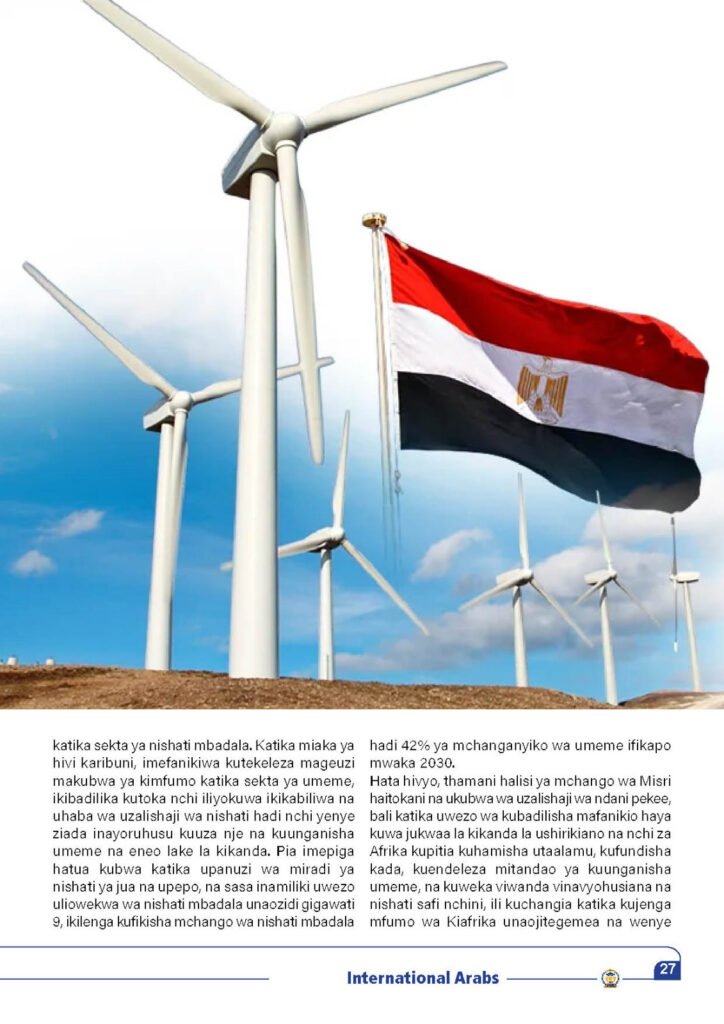
In the African file, the issue opens a window into the future of cooperation between Egypt and the states of the continent through the study entitled “From Energy to Influence: How Egypt is Building African Cooperation that Redraws the Map of the Future,” by researcher Rami Zuhdi.
The study examines the transformations taking place in the renewable energy sector in Africa, and examines the possibility of transforming energy from a mere economic resource into a tool for development, building partnerships, and strengthening the Egyptian presence on the continent, through the transfer of expertise, training of cadres, and participation in solar, wind, green hydrogen, and electricity interconnection projects.
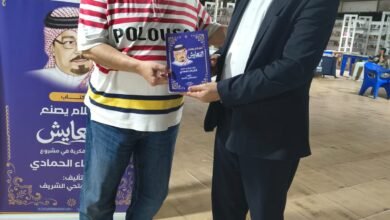
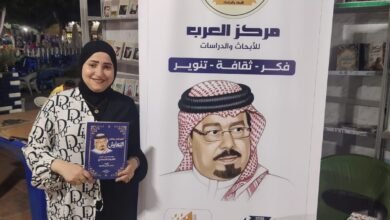
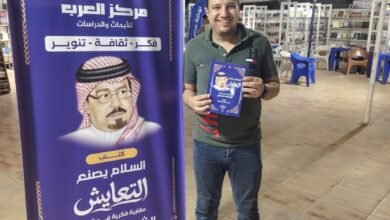
The issue pays clear attention to the intellectual production of the Arab Center for Publishing, through readings in several books and publications, including the book “Peace Makes Coexistence”, which provides an intellectual approach to Alshorafa Al Hammadi project in coexistence and peace, and focuses on rebuilding awareness and relationship with the other, as coexistence is not limited to political agreements, but begins with the human being and his way of thinking and view of the different.
The issue also deals with the book “Hayat Khalifa.. Biography and career of Khalifa Belkacem Haftar, by researcher Mohamed Fathi al-Sharif and writer Reda Abdulaziz Mohamed, in a reading that links the Libyan experience to the issues of the state, security, the military institution, and reconstruction, and examines the relationship between restoring stability and rebuilding state institutions.
The interest in social and intellectual issues extends to the Zakat file, through the presentation of the book “Zakat: alms and benevolent charity” by the thinker Ali Mohamed Al-Shorafa Al-Hammadi, where the book discusses the social role of Zakat as a tool for solidarity, reducing social disparities, supporting education and health, and helping the most needy groups.
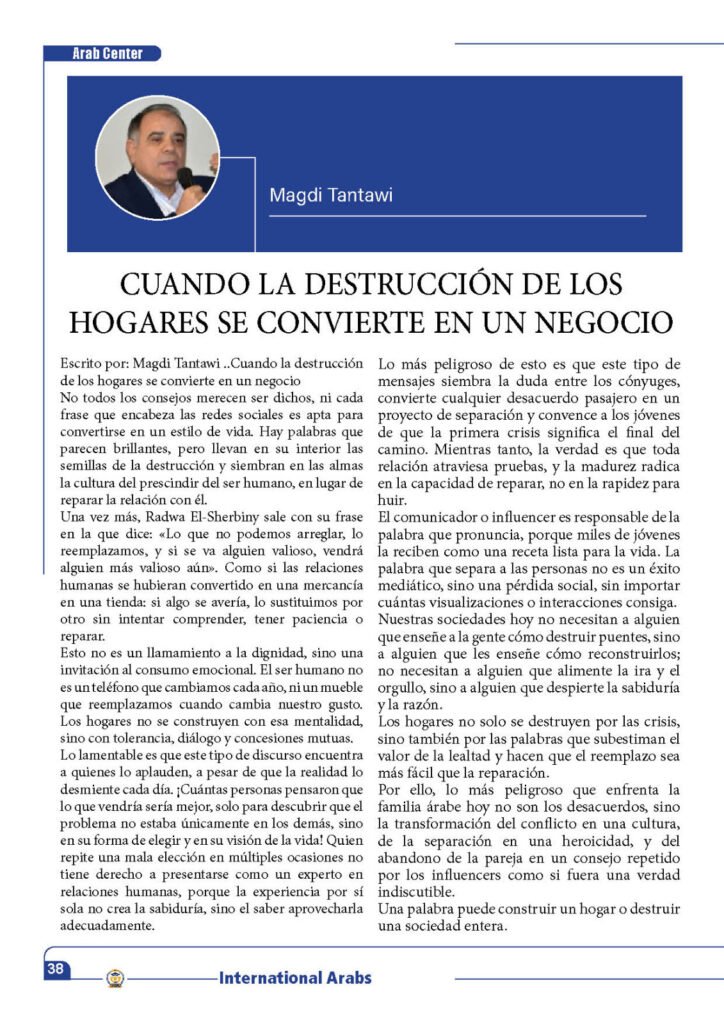
Also in the social context, the issue discusses the impact of some of the speeches spread through social media platforms on the family, through an article by journalist Magdi Tantawi, “When House Demolitions Become a Business,” who criticizes the introduction of separation as a quick solution to marital disputes and calls for promoting dialogue, reform, and taking responsibility for content presented to the public
 .
.